
Summary of Episode 5
Episode 5 explores the growing tension between the values of this world and the kingdom Jesus is revealing. As the disciples travel and interact with both Roman power and religious authority, their different expectations for Jesus begin to surface more clearly.
That tension plays out first through pragmatism versus attentiveness. Judas is portrayed as capable, creative, and forward-thinking, often focused on efficiency, strategy, and outcomes. While his initiative is not condemned, it increasingly places him at odds with the rest of the group. His conversations with Hadad, the disciples, and Jesus reveal the danger of allowing plans and control to take priority over listening to Jesus’ words.
A parallel contrast appears in Bethany. Martha serves Jesus with genuine devotion through practical work, while Mary, Martha’s sister, chooses to sit and listen. Jesus does not rebuke Martha’s service, but gently reorders her priorities, affirming that attentiveness to his words comes first. Service matters, but it must flow from presence. Judas is confronted with the same invitation: to trust Jesus’ way rather than manage outcomes himself.
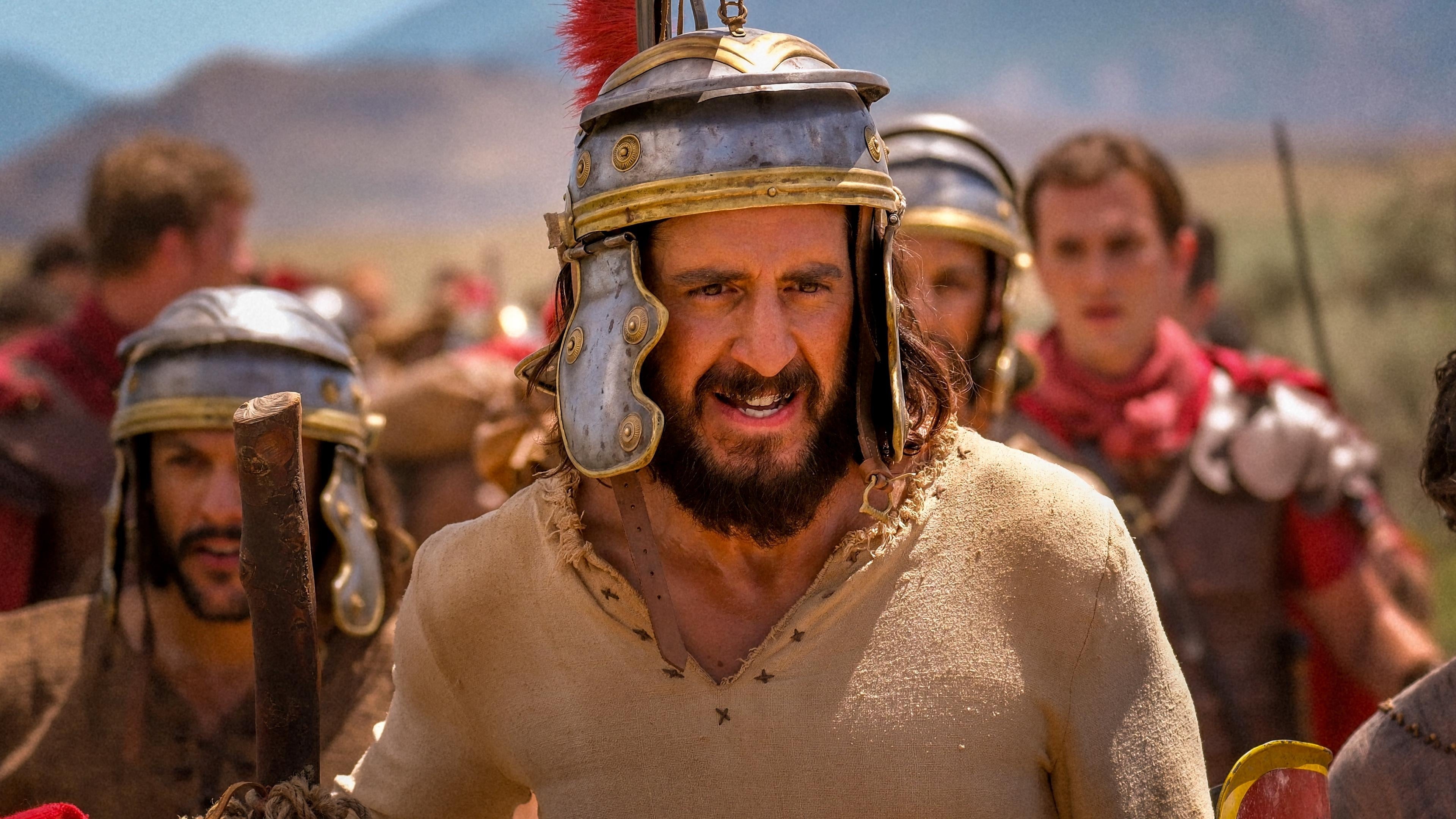
The episode also contrasts self-interest with generous trust. In the Sanhedrin, Yussif encounters competing factions, political maneuvering, and leaders willing to use influence for their own purposes. Roman soldiers exercise power through humiliation, while Hadad encourages Judas to think more about security and advancement. Jesus responds differently, going the second mile and showing a generosity that refuses to operate by fear or calculation.
At the end of the episode, Judas quietly reaches into the shared money bag, signaling a growing internal separation, while Jesus grieves that even those closest to him still struggle to understand the way of his kingdom.
Time for Personal Reflection and Summary
After the episode, invite participants to take a few moments of silence to reflect on what they’ve just experienced. Encourage them to think about what resonated with them, what caught them by surprise, or what was unclear. Next, invite them to think about the characters and consider whether they can identify with them or their situations. Encourage them to write down their thoughts or prepare them for a group discussion.
After a few moments of quiet reflection, invite the group to share the moments from the episode that stood out to them. You can use the “Episode Summary” to help you with this. Try to fill in the details you have noticed are missing from the summary. You can also use more creative methods to compose the summary.
Tip: For a more interactive way to summarize the episode, try using a mind map, The 5W1H Method, or other creative approaches. You can find these in the Leader Resources section online.
Some of the series’ concepts and themes may not be clear to all participants. A “Glossary of Terms” is provided to help with this.
Bible References
Primary Verses
Psalm 22:1, 9
Daniel 12:2
Jeremiah 22:13
Matthew 5:41; 20:1-16
Luke 10:38-42
Supporting Verses
Leviticus 19:27
Matthew 24:35
Mark 10:30; 13:31
Luke 13:22, 30; 21:33
John 12:6
Discussion
In the next section, you will facilitate the group discussion. You can use the questions in their entirety or select those relevant to your group.
What resonated most with you in this episode, and why?
Early on, Shmuel says that every age has “confusing times” and “troubling times,” and our age is no different. When life feels confusing or unstable, what helps you stay grounded?
Jesus tells the disciples to “go the second mile” (Matthew 5:41), and then does just that with the Roman soldiers. How do you think his response affected both the soldiers and his disciples?
Martha works hard to serve Jesus, while Mary chooses to sit and listen. While Jesus’ words to Martha seem unfair at first, what is the deeper issue he is addressing?
Jesus tells a story about workers in a vineyard where the last are paid the same as the first. Why do you think stories like this feel uncomfortable to us?
Modern-day examples might include: getting the same grade, reward, or credit for very different amounts of individual effort.
Several moments in this episode reveal Judas’ growing frustration, especially around money and control. In what ways can money affect what people care about, worry about, or choose to do?
While everyone else is focused on food, Mary quietly apologizes to Martha. What do you notice about that moment, and what does it show about their relationship?
At the end of this episode, and similar to the previous one, we see Jesus burdened that even those closest to him do not understand his teaching. Why do you think the people around him struggled to understand him then? What makes his teaching hard to understand today?
Jesus says to his mother Mary, “The human desire to avoid difficult news sometimes makes one deaf.” Where do you see this tendency in yourself or in the way people respond to Jesus’ teaching today?
During the meal at Lazarus’ house, Jesus tells the parable of the workers in the vineyard. Read Matthew 20:1-16. How can comparing what God gives different people change how we see God and each other?
Most of us agree that listening to Jesus matters, but daily life keeps us busy. What are some realistic ways to make space for listening (location, time of day, or circumstance), without turning it into another obligation?
Basic Questions
This first set of questions is straightforward and open-ended—great for seekers or those new to faith.
Advanced Questions
These questions are more in-depth and best suited for Christians and more mature participants. Use your discretion to select the ones that best fit your group.
Conclusion
At the close of the discussion time, take a moment to highlight the main ideas that came up during your conversation. The questions in this club meeting touched on the theme of “attentiveness” and whether we are listening to Jesus or just managing outcomes.
You can read the quote from the episode below as a final reflection and encouragement. Invite participants to reflect on the message of this episode and consider how it might speak into their own lives.
KEY TAKEAWAY
“The best way to serve me is to pay close attention to my words. That is the priority.”
—Jesus to Martha
Afterward, you may want to allow a short moment of silence, prayer, or a smooth transition into the next activity.
Suggested Accompanying Activities
This can be at the beginning or the end of the meeting.
Second-Mile Reminder. Invite participants to create a simple phone wallpaper featuring the words “Go the second mile.” They can choose a color, image, or symbol that will catch their attention. Use it as a lock screen for the week as a reminder to look for opportunities to show unexpected kindness.
Hectic Dictation. Have everyone in your group pretend to be “Martha.” While you read a vivid short story, have the group accomplish rapid, safe tasks: stack cups, sort pencils, move a chair, or copy a phrase. After sixty seconds, shout, “Stop!” and test their recall. Repeat without distractions, compare the results, and connect the contrast to Mary’s choice to sit and listen.
Mary vs. Martha. Divide participants into two teams and give both the same scenarios: an unexpected guest arrives, a friend is hurting, or an event begins soon. Team Mary must respond through presence and listening; Team Martha through action and preparation. After three minutes, each team presents and defends its approach. Discuss which response serves each situation, and when both might be needed.
You can find suggestions for extra games and activities in the Group Activities Library on the Leader Resources page.
Glossary of Terms
Sadducees
A Jewish priestly and aristocratic group that rejected belief in the resurrection of the dead and focused primarily on the written Torah (the first five books of the Bible). To preserve political power and stability, they often cooperated with Roman authorities. In the Gospels, they frequently opposed Jesus.

Pharisees
The Pharisees were Jewish teachers of the Torah who focused on interpreting and applying its laws to daily life. They valued both Scripture and oral traditions, believing that strict observance was essential for receiving God’s blessing and, according to some, for the coming of the Messiah. While many were sincere in their faith, Jesus often challenged their hypocrisy—failing to practice what they preached—and their judgmental attitude toward those who did not follow the law as strictly. These tensions led to frequent clashes between Jesus and the Pharisees, a primary reason why they hated him and were eventually involved in having him crucified.
Rabbinic Schools (Hillel and Shammai)
Two influential rabbinic traditions shaped Jewish thought in Jesus’ time. The Hillel school was known for a gentler, more flexible approach to the Law, emphasizing compassion and practical wisdom. The Shammai school was stricter, stressing precise obedience and discipline. Many Gospel debates reflect tensions between these approaches.
Chayei Olam
A Hebrew phrase meaning “eternal life,” or literally “the life of the age to come.” It refers not only to life after death, but to participation in God’s promised future, a concept debated among Jewish groups, especially between Pharisees and Sadducees.
Roman Laws and Forced Service
Under Roman law, soldiers could legally compel civilians to carry equipment or perform labor for a limited distance or time. This practice, known as angaria, symbolized oppression and loss of freedom. It forms the background for Jesus’ teaching about going “the second mile.”