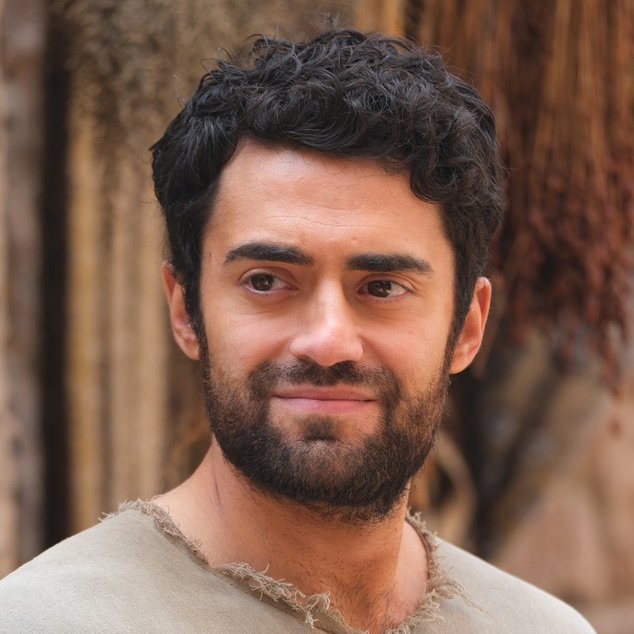
Summary of Episode 5
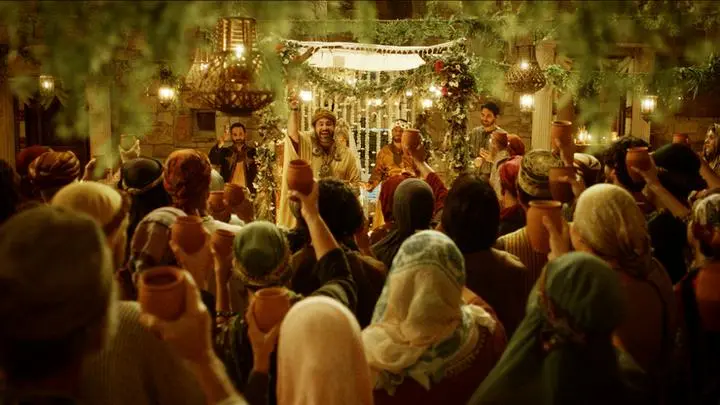
This episode unfolds at a wedding in Cana, a city in Galilee.
In Jewish culture, weddings were major social events and a considerable financial undertaking. Families went to great lengths to ensure their success. Running out of wine was considered one of the greatest social embarrassments of the time. Guests would be left without refreshments, and the host would face a lifetime of embarrassment. This is exactly what happens at the wedding where Jesus is a guest. When the wine runs out, his mother begs Jesus to “do something.” Despite skepticism—especially from Thomas—Jesus instructs that the wine jars be filled with water, which he miraculously turns into high-quality wine.
This episode also features a powerful conversation between Simon and his wife, Eden, as Simon recounts to her the previous night’s events: the catching of the fish and Jesus’ invitation to follow. Eden forgives Simon and proudly encourages him to make his decision.
A second storyline continues the theme from the previous episode—the anticipated arrival of the Lamb of God. John the Baptist, who is now imprisoned, also uses this term. Nicodemus visits him secretly, unable to stop thinking about Jesus. He doesn’t believe what the other Pharisees say about Jesus, and he doesn’t think Jesus is an ordinary teacher. He admits that Jesus could be the expected Messiah. Seeking answers, Nicodemus visits John the Baptist to inquire about the signs, the miracles, and the man behind them.
Time for Personal Reflection and Summary
After the episode, invite participants to take a few moments of silence to reflect on what they’ve just experienced. Encourage them to think about what resonated with them, what caught them by surprise, or what was unclear. Next, invite them to think about the characters and consider whether they can identify with them or their situations. Encourage them to write down their thoughts or prepare them for a group discussion.
After a few moments of quiet reflection, invite the group to share the moments from the episode that stood out to them. You can use the “Episode Summary” to help you with this. Try to fill in the details you have noticed are missing from the summary. You can also use more creative methods to compose the summary.
Tip: For a more interactive way to summarize the episode, try using a mind map, The 5W1H Method, or other creative approaches. You can find these in the Leader Resources section online.
Some of the series’ concepts and themes may not be clear to all participants. A “Glossary of Terms” is provided to help with this.
Bible References
- Luke 3:4
- John 2:1-12
Discussion
In the next section, you will facilitate the group discussion. You can use the questions in their entirety or select those relevant to your group.
What resonated most with you in this episode, and why?
Have you ever been to a wedding, party, or other celebration where something ran out (like food or drink) or where something went so wrong to the point of embarrassment?
The Jewish wedding in this episode shows that the hosts knew how to throw a good party. Jesus didn’t shy away from the festivities as some might expect; instead, he ate, drank wine, danced, and laughed with everyone else. How would you describe the difference between joyful celebration and unrestrained behavior?
Read the biblical account of this story in John 2:1-12. Does this scene challenge or affirm how Jesus is traditionally portrayed in your culture? Has The Chosen changed any of your previous perceptions of him?
Who were the first to witness Jesus’ miracle of turning water into wine? Why do you think Jesus chose the servants—rather than the guests of honor—to see this first sign?
One admirable trait of Nicodemus is that he did not let himself be swayed by other Pharisees—he genuinely sought the truth about Jesus. Yet, despite John the Baptist’s hints, he wasn’t ready to believe. In your own life, how do you seek truth? What would you need to discover, see, or experience to believe that Jesus is who he says he is?
Thomas doubted and needed proof to believe in Jesus, finding “nothing logical” in his instruction to fill the vessels with water. Sometimes, God’s actions don’t fit our expectations. Read John 20:29. How does Jesus’ response to Thomas challenge your faith, especially when you can’t see clear signs or answers? How can we practically stay faithful when God’s plans seem unclear?
In responding to Thomas’ uncertainty, Jesus says, “It will be like that sometimes, Thomas... I do not rebuke you; it is good to ask questions, to seek understanding.”
Mary was quite insistent in persuading Jesus to perform a miracle and believed he could do it. Are you also persistent in your prayers and requests? What motivates you to keep going when you don’t see immediate answers?
Has God ever given you a “miracle and gift” that you didn’t expect or that exceeded your hopes? Read Ephesians 3:20. How does this verse highlight God’s ability to do more than we could ask or imagine? How have you experienced this in your own life?
When Simon decides to follow Jesus, his wife responds, “Finally, someone sees in you what I have always seen—you are more than a fisherman.” Reflecting on the first five episodes, what strengths have you noticed in Simon, despite his struggles, that could serve God and others?
What strengths do you see in your group members, and how might God use them?
Basic Questions
This first set of questions is straightforward and open-ended—great for seekers or those new to faith.
Advanced Questions
These questions are more in-depth and best suited for Christians and more mature participants. Use your discretion to select the ones that best fit your group.
Conclusion
At the close of the discussion time, take a moment to highlight the main ideas that came up during your conversation. The questions in this club meeting touched on the theme of “miracles” and “God’s transforming power.”
You can read the quote from the episode below as a final reflection and encouragement. Invite participants to reflect on the message of this episode and consider how it might speak into their own lives.
KEY TAKEAWAY
“Who is He? I can’t pretend I didn’t see a miracle.”
–Ramah to Thomas
Afterward, you may want to allow a short moment of silence, prayer, or a smooth transition into the next activity.
Suggested Accompanying Activities
This can be at the beginning or the end of the meeting.
- Play the activity “Blind Relay Sketch”.
- Prepare a small surprise for your group, a simple gift to bring joy and encouragement.
- Learn a traditional Jewish dance together, like the kind that would have been danced at a wedding celebration. Many simple examples can be found on YouTube.
- You can find suggestions for extra games and activities looking at the Group Activities Library on the Leader Resources page.
Glossary of Terms
Wedding
A wedding in ancient Israel was a major celebration, often lasting several days. On their wedding day, the bride and groom were honored as a “royal couple.” Festivities began in the evening when the groom, joined by friends and family, brought the bride to his home. There, they hosted a feast that continued late into the night. Weddings were marked by joy, fine food, and plenty of wine, along with singing, dancing, and traditions that varied by region and area. In biblical culture, weddings are often used as imagery, including the “Wedding of the Lamb.”

John the Baptist
John the Baptist was the last prophet in the Old Testament tradition, preparing the way for Jesus. He preached repentance, baptized people in the Jordan River, and declared Jesus to be the “Lamb of God.” John also baptized Jesus, at which point the Holy Spirit descended on Christ. Later, Herod Antipas had John arrested and executed. You can read more about John in Mark 1:1-8 and John 1:19-34.
Thomas
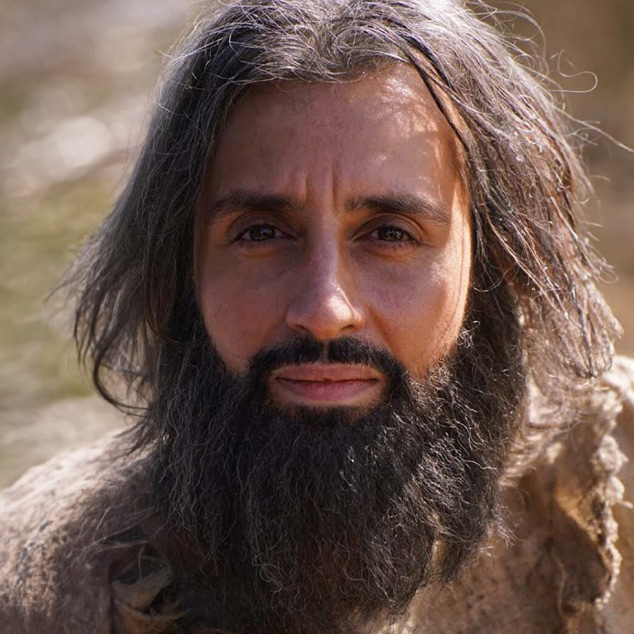
Thomas was one of Jesus’ disciples, best known for his doubts. When the other disciples told him they had seen the risen Jesus, Thomas refused to believe until he saw and touched Jesus’ wounds himself. Because of this, he is often called “Doubting Thomas.” This phrase is commonly used in English to describe someone who refuses to believe something without direct proof. You can read more about Thomas in John 20:26-29.
Ramah
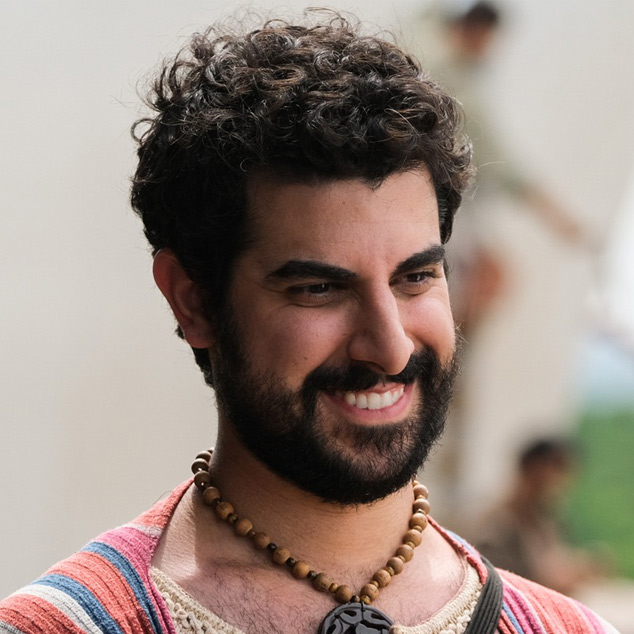
Gentle and courageous, Ramah begins as a skilled vintner at the wedding in Cana and soon becomes a devoted follower of Jesus alongside Thomas. Curious and open-hearted, she brings grace and quiet strength to the growing circle of disciples. Ramah listens intently, asks honest questions, and offers steadfast support when others waver. Her journey shows how ordinary lives—woven with love, work, and quiet faith—can become extraordinary when surrendered to the One who calls each person by name.

"Little" James (Son of Alpheus)
Known affectionately as “Little James,” he faces physical challenges that set him apart, yet his heart for Jesus shines all the brighter. Gentle and unassuming, he does not let his limitations define him. Instead, he leans on faith and friendship, quietly embodying perseverance. His willingness to follow, despite personal struggle, speaks powerfully to others who carry burdens. Little James’ life reflects the truth that weakness can reveal strength when surrendered to the Messiah.
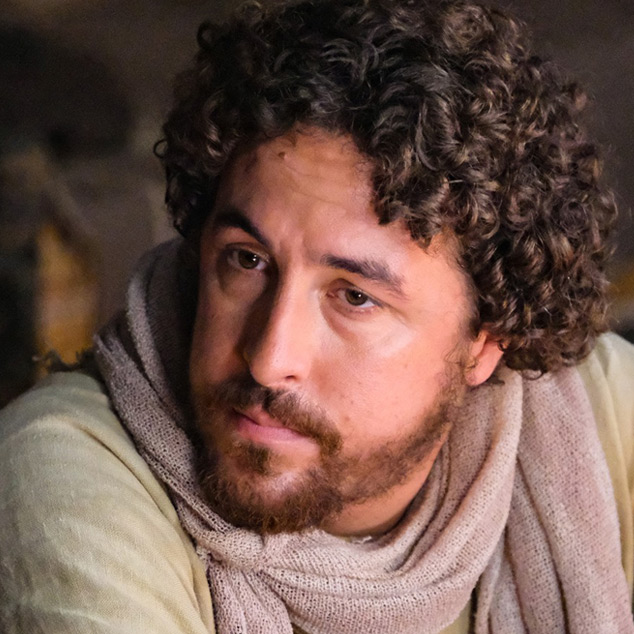
Mary of Nazareth
Gentle and steadfast, Mary is the mother of Jesus, carrying both the weight of her son’s destiny and the tenderness of a mother’s love. She has lived in faith since Gabriel’s announcement, watching in wonder as God’s promises unfold. In moments of joy and sorrow, she offers quiet strength and unwavering trust. Mary embodies humility and devotion, reminding us of the beauty of surrendering to God’s plan, even when it comes with unimaginable cost.
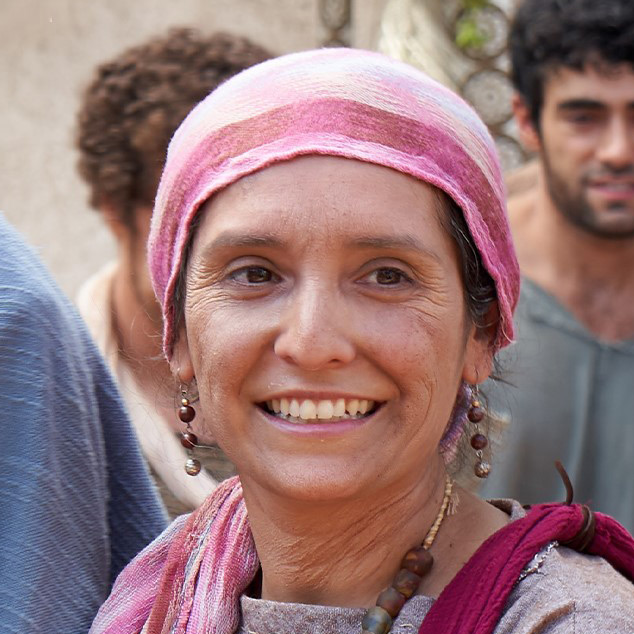
Joseph of Nazareth
A carpenter by trade, Joseph is a man of integrity, humility, and faith. Chosen to raise the Son of God, he accepted the role with courage and obedience, even when it meant ridicule and sacrifice. Though often working in the background, Joseph’s steady presence shaped Jesus’ early life with discipline and care. His quiet faithfulness reminds us that God honors those who walk in obedience, even when their stories unfold far from the spotlight.
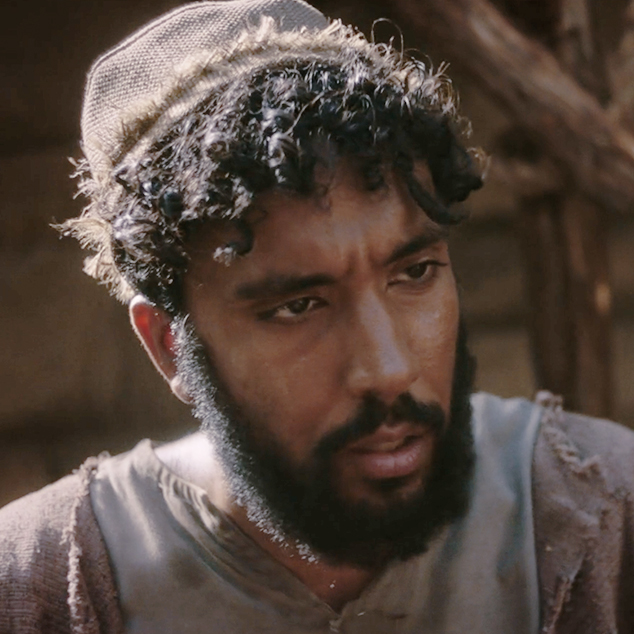
Thaddeus
Warm-hearted and full of quiet faith, Thaddaeus is one of the first to follow Jesus. A skilled stoneworker, he brings both craftsmanship and compassion to the group, often encouraging others with his calm spirit. While not as outspoken as some disciples, his steady devotion and willingness to serve make him a pillar among the Twelve. Thaddaeus reminds us that God values the humble, using gentle hearts to help build a Kingdom that will last forever.